Why are young customers digitally savvy, but financially overwhelmed?
Generation Z ranks as the most educated cohort to date. Its members are seen as tech-savvy, connected, self-reliant and discerning. Yet they show a notable weakness in managing their finances: around 70% of young people state that they have learned little to nothing about business and finance in school. Just one in three people in this age group use apps to manage their money and only 34% feel financially confident.
Despite their high level of digital affinity, many young people lack financial guidance. This is precisely where regional banks have an opportunity – and a responsibility. Those who offer guidance today will earn trust as tomorrow’s financial partners.
In view of the migration of young customers, how is the role of the primary bank changing?
Today, regional banks still reach a considerable number of young customers – often through their first account. Yet loyalty to traditional banks is clearly declining. Young people increasingly question the value traditional regional banks provide. What was once taken for granted – like seeing a bank as a lifelong partner – now holds less weight.
The exodus is gradual, but it is real. Those institutions who fail to take active countermeasures today risk losing not just individual accounts but also contact with an entire generation – with serious implications for growth and long-term success.
Which customer behavior patterns are currently causing regional banks to lose revenue?
Two main behavioral patterns can currently be observed among young customers at regional banks:
- Cost-conscious willingness to switch: when account fees arise without a clear explanation, young customers quickly seek alternatives.
- Functional usage: young customers keep their accounts but choose other providers for financial needs such as credit cards, investments and mortgage loans.
Both trends lead to the same outcome: a major loss of income. At the same time, economic leverage is enormous, particularly among young people. Banks who manage to retain them early secure substantial value. The lifetime earnings potential per young customer averages around EUR 15,000. What’s more, around 10 to 20% of future income in retail banking hinges on whether regional banks manage to retain young people in the long term.
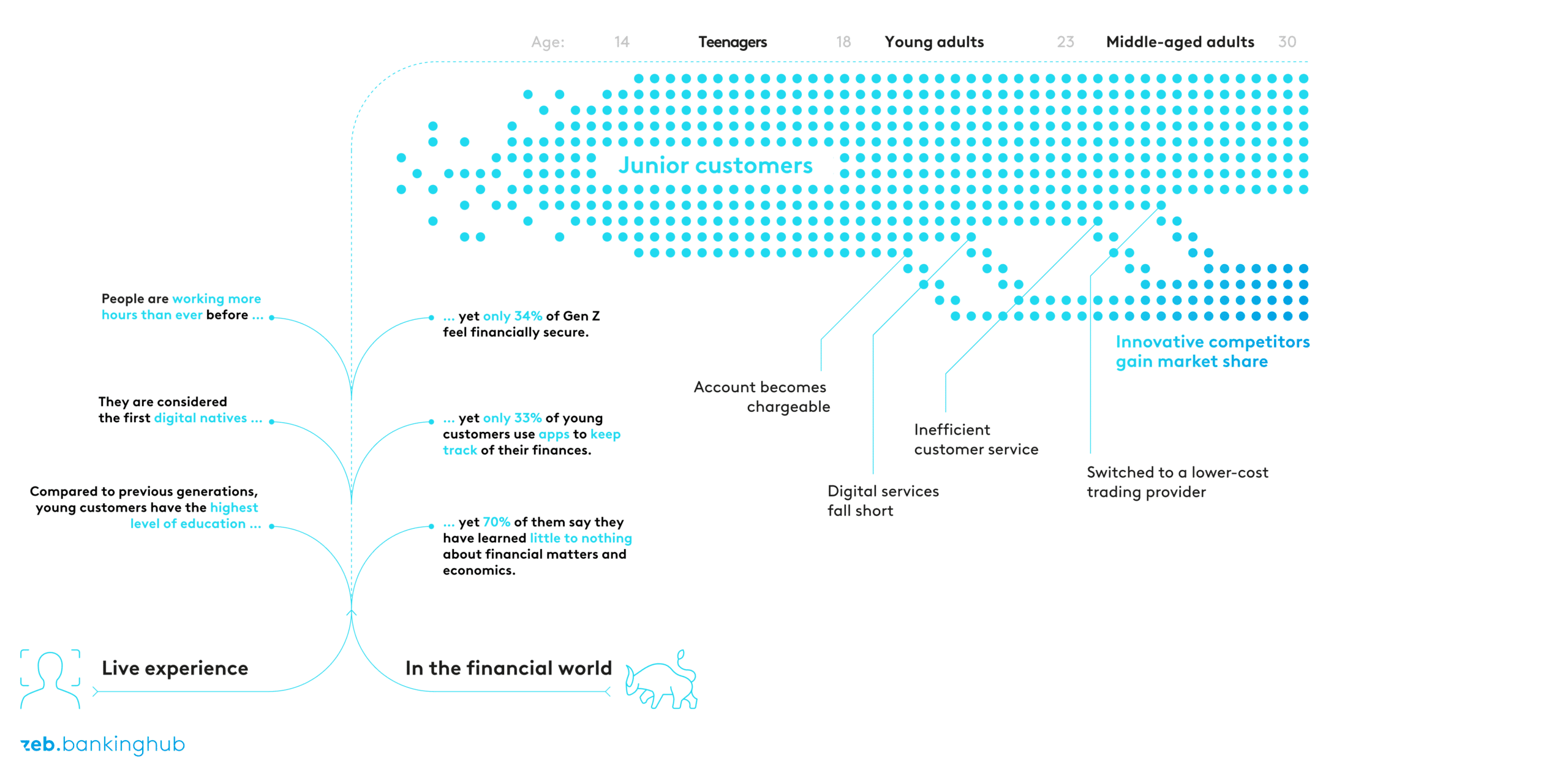 Figure 1: Bathtub effect: increasing willingness of young customers to switch to innovative competitors
Examining customer share of wallet and loyalty over time reveals a clear pattern – the so-called bathtub effect: Young people often begin with a close relationship with their primary bank, such as through a first account opened at birth. But during young adulthood – especially between ages 18 and 30 – that closeness fades quickly. Many never return. This is the stage of life when young people make major financial decisions, such as buying their first home, taking out their first loan and beginning to invest.
At the same time, the willingness to switch is particularly high. Studies indicate that around one third of 18 to 30-year-olds are prepared to change their primary bank within the next twelve months. The reasons include poor digital services, inefficient support or more attractive offers from competitors. If regional banks lack visibility and relevance during this phase, they risk not just a temporary loss but a lasting disconnect.
How do innovative players manage to outperform regional banks in competition?
Competition for young customers is more intense today than ever before – and is driven by players who operate under entirely different conditions. Neobanks such as N26, Revolut and Tomorrow score points with fully mobile, intuitive user experiences, account openings within minutes, clear pricing and strong branding. N26 alone currently has over 5 million customers – many from Generation Z.
Fintech companies such as Trade Republic and Scalable Capital are also successfully attracting young investors. At Scalable Capital, more than 30% of users are under 35. Trade Republic clearly shows how targeted strategies succeed: over 60% of its securities account holders are under 35. In contrast, the average age of securities account holders at regional banks exceeds 60. Big tech platforms like Apple and Google are also pushing into the market. Apple Pay is already active on over 75% of iPhones in Germany, and usage continues to grow.
The result is seamless integration into daily digital life and a level of convenience traditional banks struggle to match. These providers have one thing in common: they think like young users, not from the perspective of traditional structures. They automate processes, personalize offers and build emotional brand presence.
While many regional banks are still struggling with outdated processes and media disruptions, the new players already meet young people where they are – in their everyday lives and on their smartphones. The outcome: although many young people still recognize regional banks, they no longer feel connected to them.
How can regional banks retain their young target group?
Young people today expect more than just products. They seek relevance, values and real guidance. To reach this generation, you must reposition strategically around these core principles:
- Tailored communication: be present on the platforms young people actually use – with content that’s comprehensible, helpful and relatable, not bureaucratic.
- Financial education as a starting point: young people don’t need brochures – they need real support to understand financial concepts.
- Consistent brand identity and authenticity: demonstrate regional focus, sustainability and social responsibility – those who take a stand here earn trust.
- Digital excellence: not every app needs unlimited features – but it must work, feel intuitive and deliver real value.
- Provide support across life stages: not one campaign every few years, but continuous, occasion-based communication tailored to individual life journeys.
It’s now or never!
Whether young people see regional banks as relevant partners won’t be decided later – it’s being decided now. Regional banks that lose young customers today won’t easily win them back tomorrow and risk losing touch with an entire generation The course is being set today – with every interaction, every message and every product.

More insights into retail banking at regional banks
If you’re interested in gaining further exciting insights into retail banking at regional banks, you can download the latest whitepaper “Omnichannel: Excellence in customer and advisory services – How regional banks can hold their own against (digital) competitors in the retail banking business.” here.